
Pam Totah
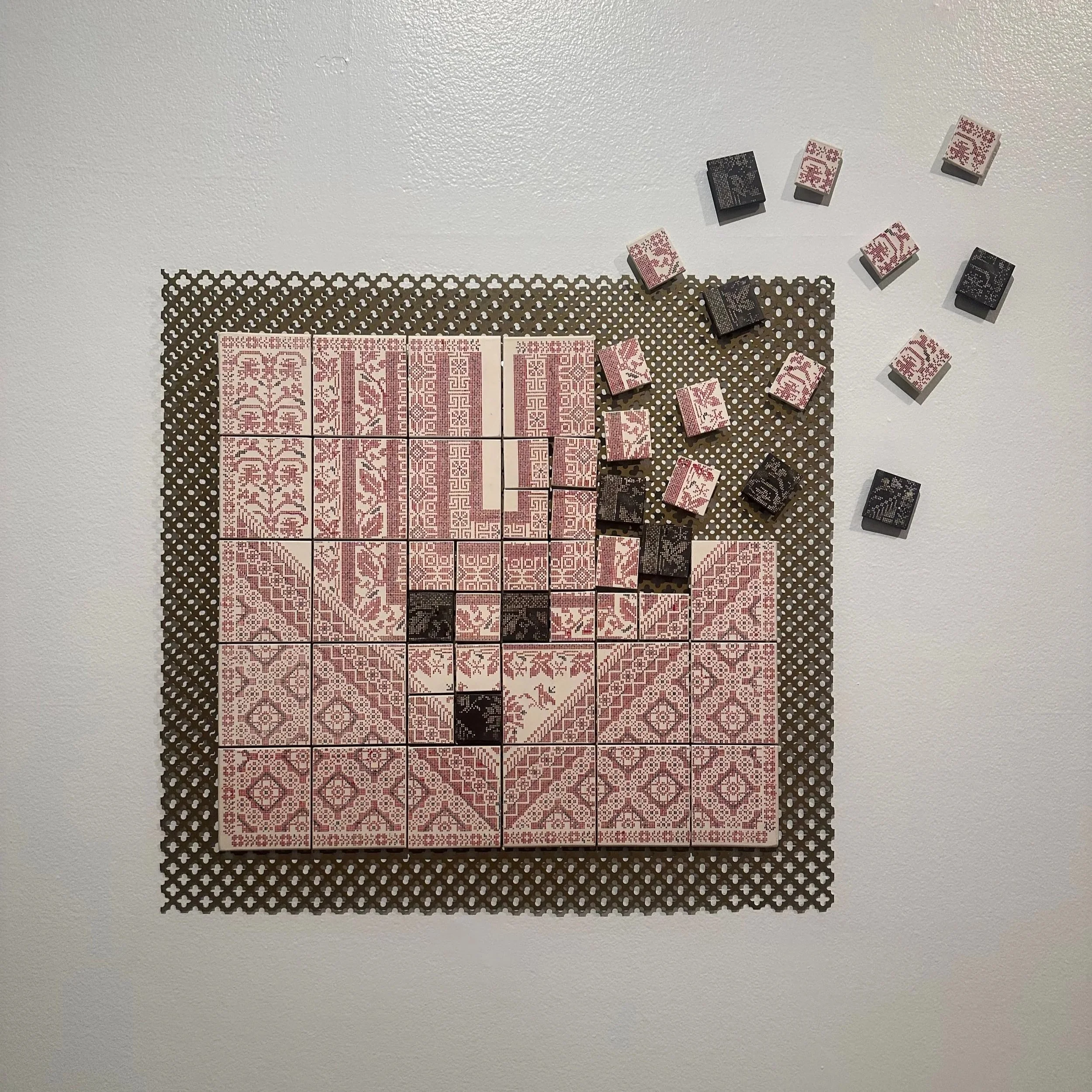
A Native Born Girl , 2026
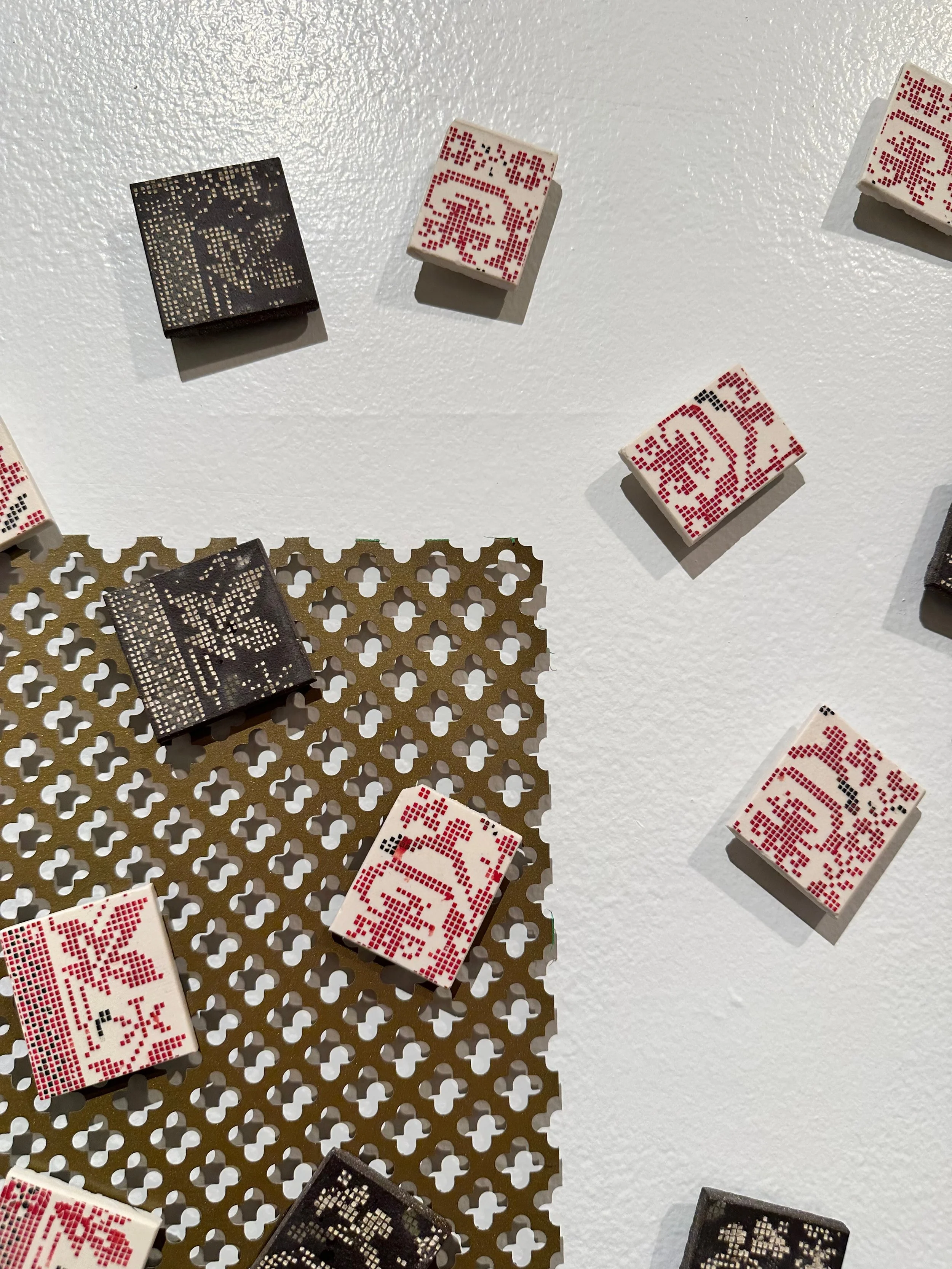
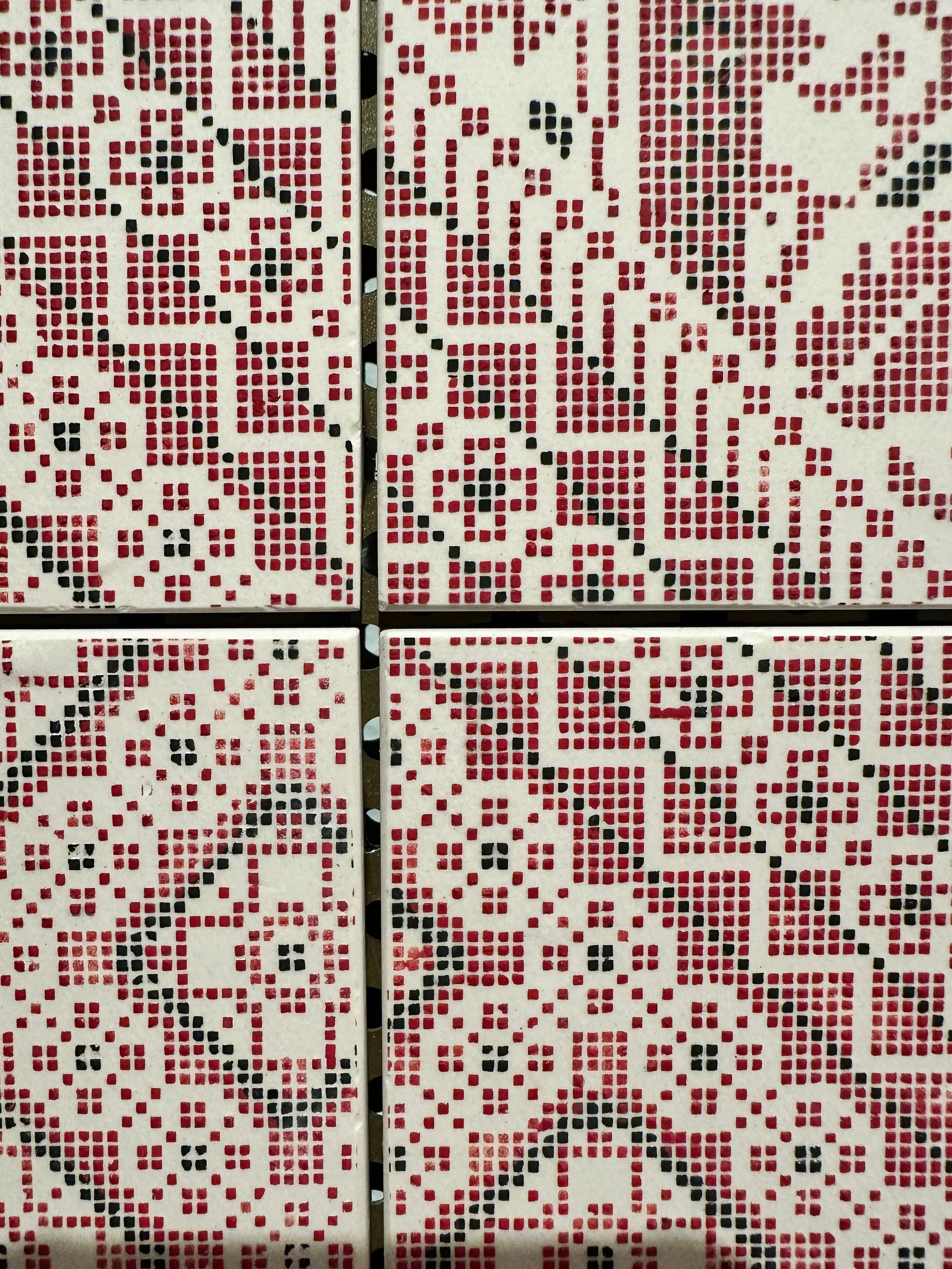
Porcelain, underglaze, aluminum
In 1944, my great grandfather, Khalil Issa Jadallah was an importer, one of many immigrants from Ramallah, Palestine operating the then Ramallah Wholesale in San Francisco, California. On March 3, 1944, he enlisted in the United States Naval Service and became an active duty serviceman in the Pacific during WWII. He was honorably discharged on November 5, 1945, allowing him to bring his wife and 4 children from Palestine to the United States.
In December 1945, my great grandmother, Zarifeh Omran Jadallah, boarded a naval ship with her three sons and one daughter, my grandmother, Tete Leila, and departed the Port of Haifa, Palestine to the USA.
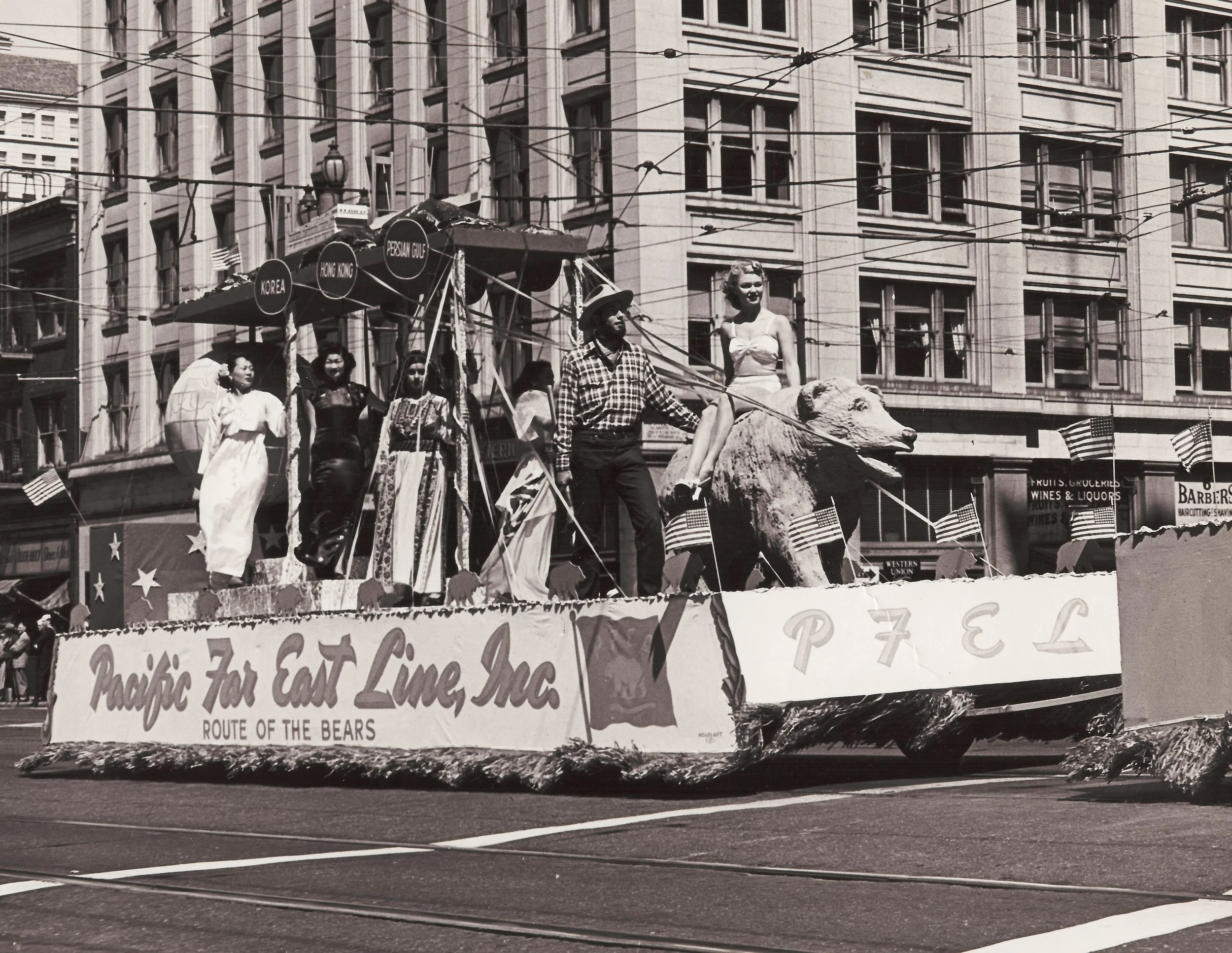
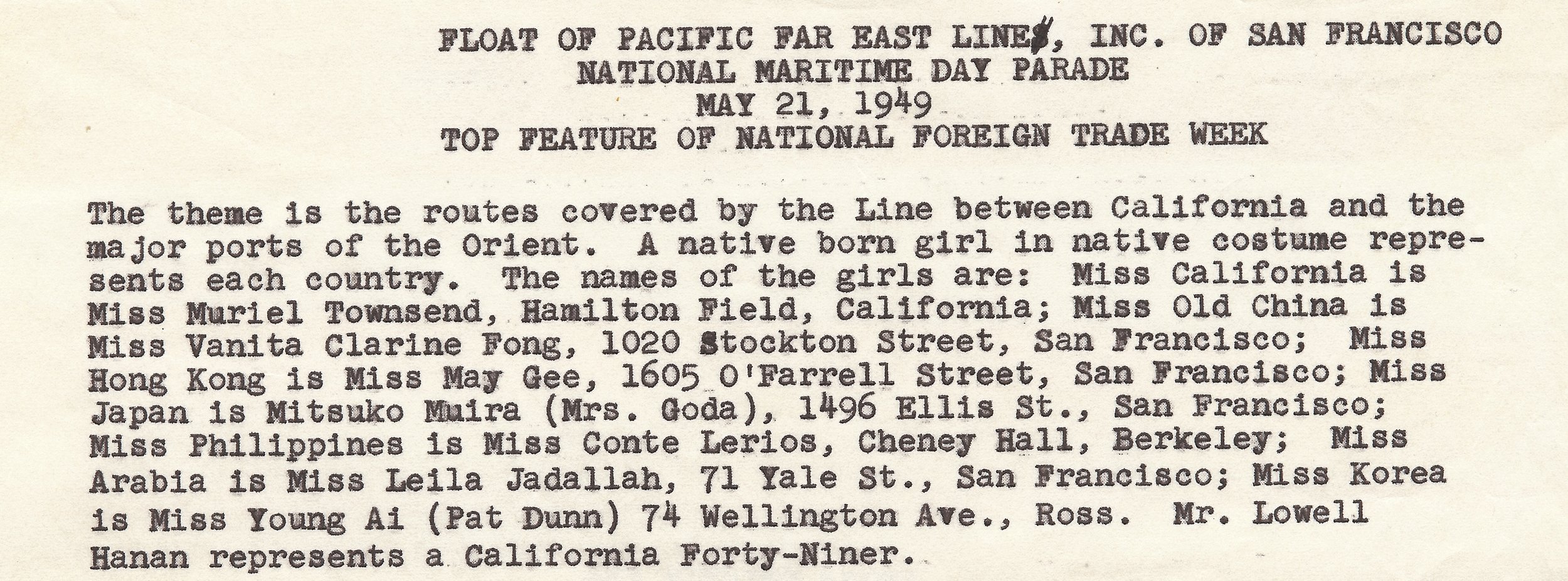
When Tete Zarifeh passed away in 2001, among her belongings was an old family photo album, rich with photos of our extended families in Palestine and the USA, many dating back to at least the 1930s. Included in the album were newspaper clippings of my grandmother, Leila, on a street float for the Pacific Far East Line, Inc as part of the San Francisco National Maritime Parade on May 21, 1949. The sign above my Palestinian grandmother's head reads "Persian Gulf". In the caption she is "Miss Arabia: Miss Leila Jadallah". Orientalist terms coined by the colonizers who organize maritime parades.
According to San Francisco's Maritime Museum, the Pacific Far East Line (PFEL) was a transpacific transportation company. After the end of World War II, the Pacific Far East Line purchased some low-cost surplus ships, all of which were named after bears: Golden Bear, Pacific Bear, Hong Kong Bear, etc. The route these vessels would take was nicknamed "The route of the bears". The PFEL grew into a major post-WWII Pacific shipping power, specializing in cargo and passengers, as well as military and reconstruction supplies, with routes covering Japan, Philippines, Hong Kong, and Southeast Asia. The company operated from 1943 until the early 1970s.
Her brother tells us that Tete Leila ended up on this float through the families that worked and operated the Ramallah Wholesale in the 40s. As importers and wholesalers, dealings with shipping lines like the PFEL was a regular occurrence for the Ramallah Wholesale, so when approached for a female to represent their new shipping routes into the "Orient", Tete Leila happened to be the only girl among the families and became this small part of San Francisco Maritime History.
The thobe Tete Leila wore in that parade was not hers, but one borrowed from Nabiha Totah Dudum, another Palestinian woman in our Bay Area community. This borrowed thobe was lovingly preserved by Nabiha’s granddaughter and shared with me so I could make this art piece. All of this is testament how we still rely on each other, share what we have, and support one another in building new lives near and far from home.
It took me four days to meticulously copy the qabbeh (chest panel) so I could start painting it on large slabs, later cutting them into fragmented tiles with each piece representing a different aspect of our journeys as Palestinians in the United States of America. This art piece explores how our immigration from home and into this country presented both profound challenges and unexpected opportunities: it ripped us apart geographically and culturally and attempted to strip us of our identity. Nothing ever really succeeded in doing so or breaking us as a people.
The tiles represent this fragmentation and transformation, while their collective presence suggests the enduring wholeness and expansion of our stories, preserved not by bloodline alone, but by the shared love and care that has bound our Palestinian community through generations.
Connect with Pam:
https://instagram.com/totahstudio
https://share.upscrolled.com/en/user/d80dd1a6-013e-4fca-8b80-075c5ecf43a7